est. 2024 · houston, tx
Every mind has a story.
Conversations with the world's leading academics, thinkers, and innovators — hosted by high school students.
Listen on
Latest episode
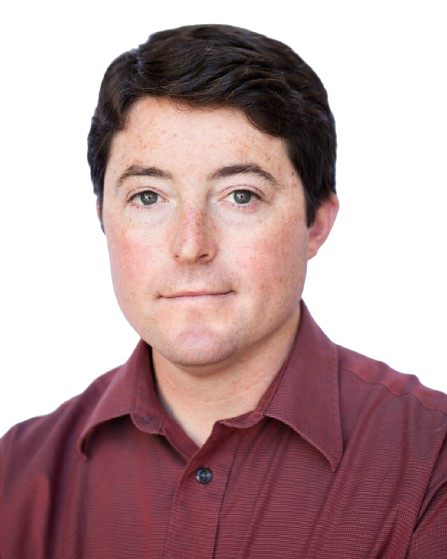
The Science of Belief: Andrew Shtulman on Intuition vs. Fact
Cognitive scientist Andrew Shtulman explains why our intuitive theories about the world are often wrong — and surprisingly hard to unlearn, even after years of formal education. He and our students dig into what it actually takes to replace gut instinct with scientific reasoning.
Recent episodes
More conversations worth your time.


What our guests say
From the people we've interviewed.
You know, these are exactly the kinds of things the youth should be doing right now.
Tony Wagner
Education Expert, Author, and Researcher
I have to say, you listen really well, and you always respond back with super insightful questions.
Charles Calomiris
Financial Economist and Professor, Columbia University
You have a very inventive and entrepreneurial, creative spirit—and that really comes through in the questions you ask.
Brendan Ballou
Former Federal Prosecutor, Author, and Public Interest Lawyer
Honestly, these are the best questions I have ever seen.
David Reimer
C-Suite Mentor, Leadership Consultant, and CEO of The ExCo Group
Mentorship program
Beyond the podcast.
A one-year program matching high school students with world-class professors.