
Terrance Odean on Investor Behavior, Overconfidence, and the Impact of Technology on Trading
- Nov 2, 2025
- 3 min read
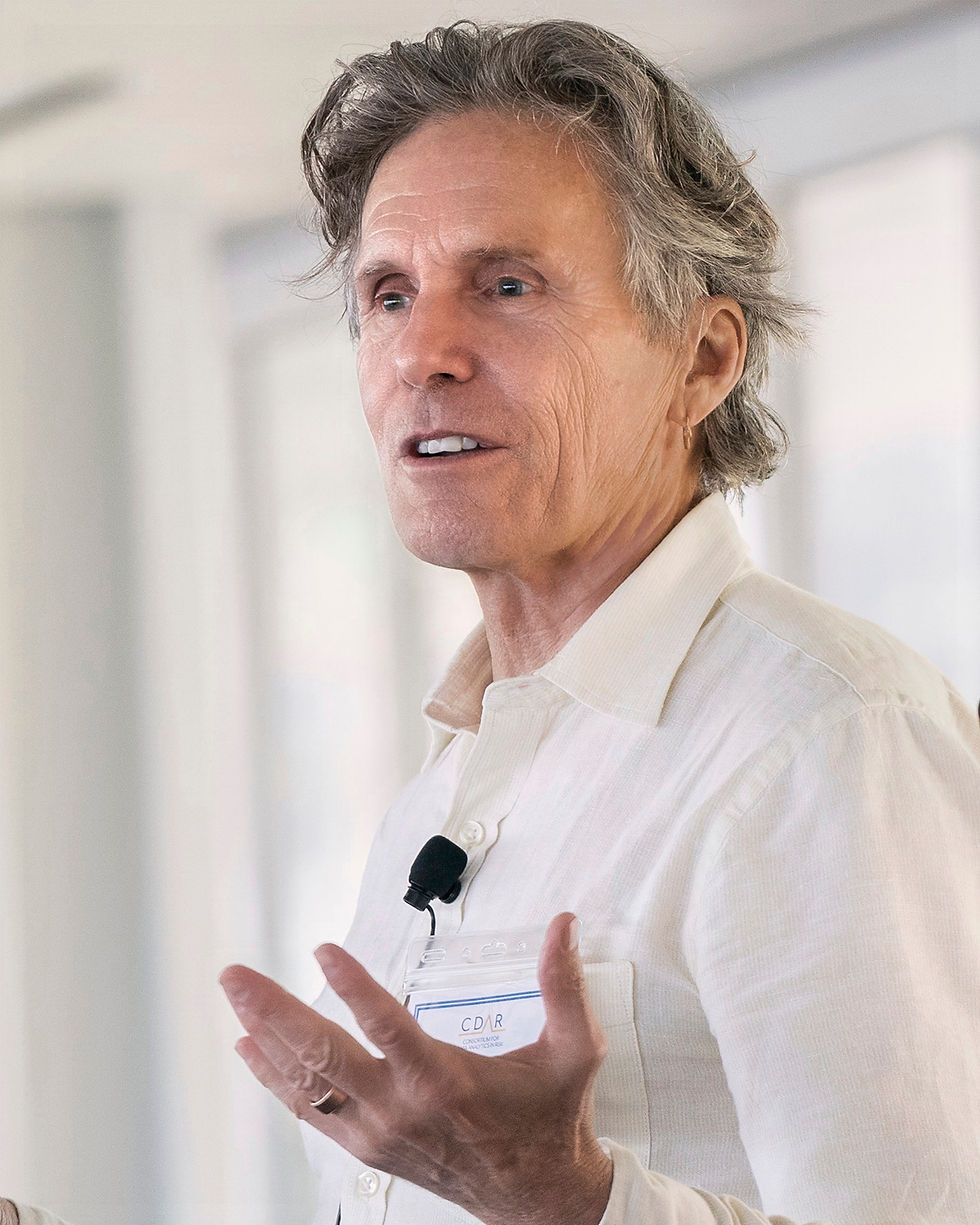
Terrance Odean’s path into finance is anything but typical. He dropped out of college, raised a family, hitchhiked across Afghanistan, worked with statistical analysis software, and eventually returned to UC Berkeley at 38. “There are advantages and disadvantages to having sort of a gap in your education,” he says. While the gap made returning to school difficult, it also gave him a broader worldview. Experiencing financial struggles firsthand helped him understand why so many Americans historically don’t own stocks—a puzzle that had baffled his academic peers.
Odean originally wanted to be a psychologist, but Daniel Kahneman suggested applying psychology to finance. At the time, financial economics assumed markets were efficient and investors rational, with deviations considered random. Odean’s research challenged this, showing that investors consistently make predictable mistakes rather than random ones. This work laid the foundation for decades of studies on individual investor behavior.
One of his most famous findings, with Brad Barber, is that men trade about 45% more than women and often earn lower net returns because of overconfidence. “There’s likely a genetic component, but social norms and environment play a large role,” he says. Boys are often encouraged to excel in areas like math and finance, fostering confidence that can spill into risky trading behavior. While social and cultural dynamics are changing, he notes that men’s higher trading frequency is still noticeable.
Trading costs are another key factor. In 2000, Odean found that the most active retail traders earned roughly seven percentage points less than buy-and-hold investors. Commission-free trading has lowered explicit costs, but the behavioral tendency to overtrade hasn’t gone away. “The cost of trading is clearly down a lot, which mathematically reduces the drag from trading,” he says, “but the impulse to make trades based on news or peer behavior hasn’t disappeared.” Platforms that make trading fast and easy can unintentionally encourage these habits.
Odean’s 1998 study also documented the disposition effect—investors tend to sell winners too early and hold losers too long. While tools like tax-loss harvesting and robo-advisers exist, robust account-level data on modern retail behavior is limited. The disposition effect still shows up in institutional trading, though safeguards can reduce its consequences. For retail investors, low-turnover index funds like the S&P 500 remain one of the simplest ways to avoid tax inefficiency, though many app-based traders rarely follow this strategy.
Collective attention also drives market behavior. When news or social media highlights a particular stock, investors often herd, creating short-term price spikes that can reverse quickly. Episodes like GameStop and Signal illustrate this clearly. Social platforms accelerate herding by making peer activity visible and immediate, which can be exciting but risky.
Platform design plays a role too. Odean is critical of gamified trading interfaces that celebrate every trade or offer free stock incentives. “You can design a platform that discourages highly active trading, but you won’t see it soon because trading drives profits,” he notes. Some companies, like Vanguard, take the opposite approach, promoting low-cost, long-term investing without exploiting behavioral biases.
High-frequency trading adds another layer. It narrows bid-ask spreads and may lower costs for retail investors, but the overall effect is nuanced. Algorithmic market makers provide sub-penny price improvements while selectively choosing orders, raising questions about fairness. Retail investors benefit in some ways, but the broader implications are complex.
Demographics and technology intersect in interesting ways. More women and younger investors are participating thanks to apps, but the biggest driver of active trading is convenience. “When I first started, trading required phone calls with brokers. Now, you can place a trade in under a minute,” Odean points out. The technology itself accelerates trading, regardless of demographic shifts.
For Odean, success is defined less by profit and more by financial literacy. He teaches over 1,800 students annually, emphasizing practical knowledge in investing, insurance, credit, and tax strategies. “Success isn’t just about profits; it’s about helping people understand financial decisions and improve their outcomes,” he says.
The 6Degrees team extends its heartfelt thanks to Terrance Odean for sharing his insight, generosity, and decades-long dedication to understanding how people make financial decisions. His work reminds us that the most valuable lessons often emerge where psychology meets markets—and that improving lives starts with understanding human behavior in full.


Comments